
Waterproof Bathroom Downlight: Anti Glare Design
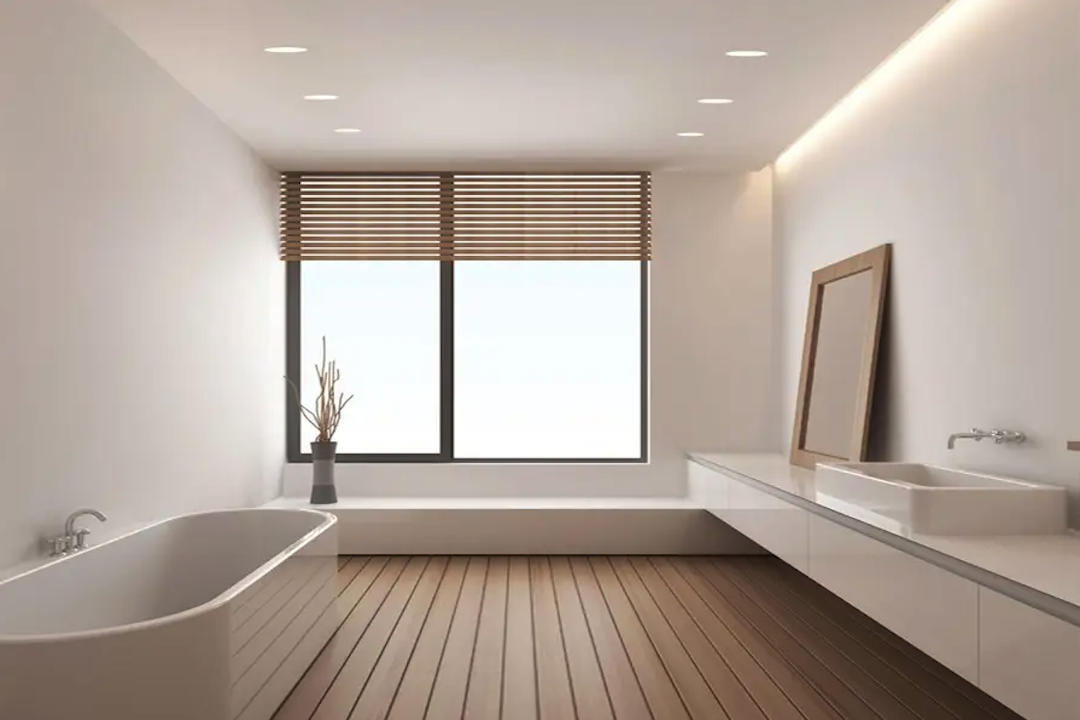
Thinking about upgrading your bathroom lights to those sleek, modern downlights? You’ve probably seen them everywhere, and they do look good. But there’s a bit of a catch with standard downlights in a bathroom – especially the ones that can get splashed. That’s where waterproof bathroom downlights with an anti-glare design come in. Essentially, they’re built to handle moisture and are designed to make sure you’re not blinded every time you look up, even when you’re mid-shower. It’s a smart combination for a room where both safety and comfort matter.
Why Waterproofing Matters in Your Bathroom
Bathrooms are inherently damp environments. It’s not just about steam from showers or baths; it’s the constant humidity, the occasional splash from the sink, or even a leaky faucet. Electrical components and moisture don’t play well together, and this is especially true for light Simiglighting fixtures.
The Risks of Non-Waterproof Lights
Using standard downlights in areas prone to moisture is a recipe for disaster. The internal components of the light can corrode, leading to flickering, reduced lifespan, or even complete failure. More critically, water ingress can create electrical hazards, posing a serious risk of electric shock. This isn’t something to take lightly in a place where you’re often barefoot and surrounded by plumbing.
Understanding IP Ratings
When we talk about waterproofing for lights, the key indicator is the IP rating. IP stands for Ingress Protection. It’s a two-digit number where the first digit indicates protection against solid objects (like dust) and the second digit indicates protection against liquids.
The First Digit: Solids Protection
For bathroom downlights, the first digit usually ranges from 2 to 6.
- IP_2_something: Offers protection against large body parts (like hands) touching the enclosure. This is generally the minimum for indoor fixtures.
- IP_4_something: Protects against small tools touching the enclosure. This is a good level for general bathroom use.
- IP_6_something: Means it’s dust-tight. While not strictly necessary for liquid protection, it signifies a very well-sealed unit.
The Second Digit: Liquids Protection – The Crucial Part
This is where the “waterproof” aspect really comes into play.
- IPx_0: No protection against water. Avoid these completely.
- IPx_3: Protected against spraying water. This might be okay for a very large, steamy bathroom where direct splashes are unlikely, but it’s still not ideal.
- IPx_4: Protected against splashing water from any direction. This is a common and decent rating for general bathroom use, especially for downlights that aren’t directly under the showerhead.
- IPx_5: Protected against water jets. This means it can withstand a direct spray of water from a nozzle. This is a step up and offers better protection against more direct water exposure.
- IPx_6: Protected against powerful water jets. Think of heavy seas or even a pressure washer. While overkill for most bathrooms, it demonstrates extreme water resistance.
- IPx_7: Protected against immersion up to 1 meter for 30 minutes. This is the gold standard for shower areas. If your downlight is going to be in or directly above the shower enclosure, you need at least IPx5, but IPx7 is highly recommended.
For integrated bathroom downlights, look for ratings like IP44, IP65, or even IP67, depending on the specific location within the bathroom. IP44 is usually sufficient for general areas outside the shower enclosure, while IP65 is good for areas that might get splashed, and IP67 is for direct shower or bath zones.
Materials and Construction
Beyond the IP rating, the materials used in waterproof downlights are important. They are typically made from corrosion-resistant materials like high-grade aluminum, stainless steel, or specially treated plastics. The seals and gaskets are also designed to prevent water from penetrating the fixture. Look for features like sealed bezels and robust housing.
The Problem with Glare and How Anti-Glare Designs Solve It
Now, let’s talk about glare. It’s that uncomfortable visual sensation caused by excessive or uncontrolled brightness. In a bathroom, where you might be looking up to see yourself in the mirror, or while relaxing in the bath, harsh light can be incredibly annoying and even disorienting.
What is Glare?
Glare occurs when there’s a significant difference in brightness between the light source and your surroundings. Your eyes struggle to adjust, leading to squinting, discomfort, and a reduction in visual clarity. Think about trying to look at your phone screen on a bright sunny day – that’s glare.
Direct Glare
This is the most common type, caused by light sources that are too bright or positioned too close to your line of sight. Standard downlights, especially those with very bright, exposed bulbs, are prime culprits.
Reflected Glare
This happens when light bounces off shiny surfaces like mirrors, tiles, or even water. In a bathroom, with all its reflective surfaces, reflected glare can be a significant issue.
How Anti-Glare Designs Work
Anti-glare designs for downlights aim to reduce or eliminate these uncomfortable visual effects. They achieve this through several clever engineering approaches:
Deep-Set Bezel and Reflector Design
One of the most common methods is to recess the LED chip deep within the fixture. This means the light source itself is shielded by the fixture’s housing, preventing direct viewing. The reflector surrounding the LED is also designed with a matte or textured finish, or with specific angles, to diffuse the light and prevent it from bouncing directly into your eyes.
Frosted or Diffused Lenses
Many anti-glare downlights use a frosted or opal lens in front of the LED. This layer scatters the light, spreading it more evenly and softening its intensity. Instead of a harsh point of light, you get a more uniform glow.
Honeycomb Louvers (Less Common in Downlights, but the Principle Applies)
While less common in compact downlights, some higher-end fixtures might incorporate a honeycomb structure within the lens. This creates a series of small openings that direct light downwards while blocking off-axis glare.
Focusing on Beam Angle and Distribution
Anti-glare doesn’t just mean dimming the light. It’s about how the light is shaped and directed. Many anti-glare downlights are designed with wider beam angles to provide broader illumination while still minimizing direct glare. Others might use more focused beams but ensure the light is gently diffused.
The Benefits of Combining Waterproofing and Anti-Glare
When you have downlights that are both waterproof and feature an anti-glare design, you’re getting some significant advantages for your bathroom. It’s about creating a space that is not only functional and safe but also comfortable to be in.
Enhanced Safety and Durability
The waterproofing aspect is the primary safety feature here. It means you don’t have to worry about those occasional splashes or the high humidity of daily use affecting the electrical components. This directly translates to a longer lifespan for the lights and, more importantly, reduces the risk of electrical faults. Durable construction means less worry about replacement and maintenance.
Improved Visual Comfort
This is where the anti-glare design shines. Imagine relaxing in a bath without being constantly bothered by bright lights staring down at you. Or, being able to do your makeup or shave in the mirror without straining your eyes from harsh reflections. Comfortable lighting improves the overall mood and usability of your bathroom, making it a more pleasant space.
Reducing Eye Strain
Prolonged exposure to glare can lead to eye strain, headaches, and fatigue. Anti-glare lighting helps mitigate these issues, making tasks within the bathroom more comfortable.
Better Aesthetic Appeal
Glare can make a space feel harsh and uninviting. Soft, diffused lighting from an anti-glare fixture contributes to a more relaxed and sophisticated ambiance. It helps create a spa-like feel, even in a small bathroom.
Versatility in Placement
With both waterproofing and anti-glare properties, these downlights offer greater flexibility in where you can install them. You can confidently place them closer to shower areas without compromising safety, and their glare-free nature makes them suitable for placement directly above mirrors or relaxation zones.
Key Features to Look for When Buying
When you’re ready to make a purchase, here’s what you should be keeping an eye out for to ensure you get the best waterproof and anti-glare bathroom downlights. Don’t just grab the first shiny thing you see; a little attention to detail goes a long way.
Critically, The IP Rating
As discussed before, this is non-negotiable.
- IP44: Suitable for general bathroom areas, away from direct water spray.
- IP65: Good for areas where splashing is more likely, like near sinks or tubs.
- IP67: Essential if the downlight is going to be within the shower enclosure or directly above a bath.
Color Temperature (Kelvin)
This dictates the “warmth” or “coolness” of the light.
- 2700K – 3000K (Warm White): Mimics the light of traditional incandescent bulbs. It’s cozy and relaxing, ideal for creating a spa-like atmosphere or for general ambient lighting.
- 3500K – 4000K (Neutral White): A balanced light that’s good for task lighting, like above a vanity where you need to see clearly without being too blue.
- 5000K – 6500K (Cool White/Daylight): Mimics natural daylight. This can be very bright and invigorating, good for areas where you need high visibility, but can feel clinical and contribute to glare if not diffused. For a relaxing bathroom, warm or neutral white is usually preferred.
Lumen Output (Brightness)
Lumens (lm) measure the total amount of visible light emitted by a source. Don’t confuse this with wattage, which measures energy consumption.
- You’ll want enough lumens to adequately light your bathroom, but not so many that they become overwhelming or contribute to glare, even with anti-glare features.
- For general bathroom lighting, aim for around 100-200 lumens per square meter. For task lighting over a vanity, you might want a higher density in that specific area.
Dimmability
If you want to control the mood and brightness, look for dimmable options. This is especially useful in bathrooms where you might want bright light for cleaning or grooming, and softer light for relaxing evenings. Ensure your dimmer switch is compatible with LED lights.
Beam Angle
This refers to the spread of light from the fixture.
- Narrow beam (e.g., 24-38 degrees): Creates a more focused spotlight effect. Less common for general bathroom illumination but could be used for accent lighting.
- Medium beam (e.g., 40-60 degrees): Provides a good balance of coverage and focus.
- Wide beam (e.g., 90-120 degrees): Offers the broadest coverage, ideal for general illumination and can help reduce shadows. For anti-glare, a wider, well-diffused beam is often preferred.
CRI (Color Rendering Index)
This measures how accurately a light source reveals the true colors of objects. A high CRI (80+) is important in bathrooms, especially around the vanity, so you can see the true color of your skin tone, makeup, or clothing.
Material Quality and Finish
Look for robust materials like die-cast aluminum or stainless steel. The finish should be durable and resistant to corrosion. Matte finishes often help reduce reflections.
Ease of Installation
While not directly related to performance, consider how easy the downlights are to install, especially if you’re doing it yourself. Recessed fittings often require precise cut-outs, and some come with easy-fit connectors.
Installation Considerations for Waterproof Downlights
Getting these lights installed correctly is just as important as choosing the right ones. A poorly installed waterproof light can compromise its rating.
Working with Electrical Circuits
If you’re not experienced with electrical work, it’s highly recommended to hire a qualified electrician. They’ll ensure all connections are secure, the circuits are appropriately rated, and all work complies with local building regulations. This is crucial for both safety and the longevity of your lighting system.
Placement is Key
- Shower Areas: For downlights installed within a shower cubicle or directly above a bath, you need fittings with an IP rating of at least IP65, and ideally IP67. Ensure they are sealed correctly to the ceiling or wall to maintain their waterproof integrity.
- Vanity Areas: Placement directly above mirrors can create glare if the light isn’t designed with anti-glare features. Positioning them slightly to the sides of the mirror, or using multiple, lower-lumen anti-glare downlights distributed effectively, can provide better task lighting without harsh shadows or reflections.
- General Zone Lighting: For general ceiling illumination, the IP rating can be slightly lower (e.g., IP44) if the areas are further away from direct water sources.
Ventilation and Heat Dissipation
Even modern LED lights produce some heat. Ensure there’s adequate space for ventilation behind the downlight, especially if it’s being installed in a loft space or ceiling void. Overheating can reduce the lifespan of the LED and, in extreme cases, damage the fixture or surrounding materials. Check the manufacturer’s specifications for clearance requirements.
Using the Right Type of Bulb (if applicable)
Many modern downlights come as integrated LED units, meaning the LED is part of the fixture and cannot be easily replaced. If you do have older downlights that accept separate bulbs, ensure you use LED bulbs designed for damp locations and with an appropriate IP rating if installed in a sensitive area.
Sealant and Gaskets
When installing, pay close attention to any seals or gaskets provided with the fixture. Ensure they are properly seated and create a watertight barrier between the light and the mounting surface. If installing in drywall, sometimes a bead of bathroom-grade silicone sealant around the bezel can add an extra layer of protection.
By following these guidelines, you can transform your bathroom into a safer, more comfortable, and visually appealing space with the right choice of waterproof, anti-glare downlights.