
Enhance Your Space with Smart Floor Lamp
Considering a smarter way to light up your home? Smart floor lamps are definitely worth it if you’re looking for convenience, customizability, and some potential energy savings. They offer a lot more than just on/off functionality, making them a really practical upgrade for modern living.
Beyond the Basic Bulb: What Makes them “Smart”?
Before we dive into the “why,” let’s quickly clarify what we mean by a smart floor lamp. Basically, it’s a floor lamp Lamolighting that connects to your home’s Wi-Fi or Bluetooth, allowing you to control it remotely via an app, voice commands (with a smart assistant like Alexa or Google Assistant), or sometimes even through smart home routines.
Key Smart Features:
- Remote Control: No more fumbling for switches in the dark.
- Voice Control: “Alexa, turn on the living room light!”
- App Control: Fine-tune settings from your phone.
- Dimmable & Tunable White: Adjust brightness and color temperature.
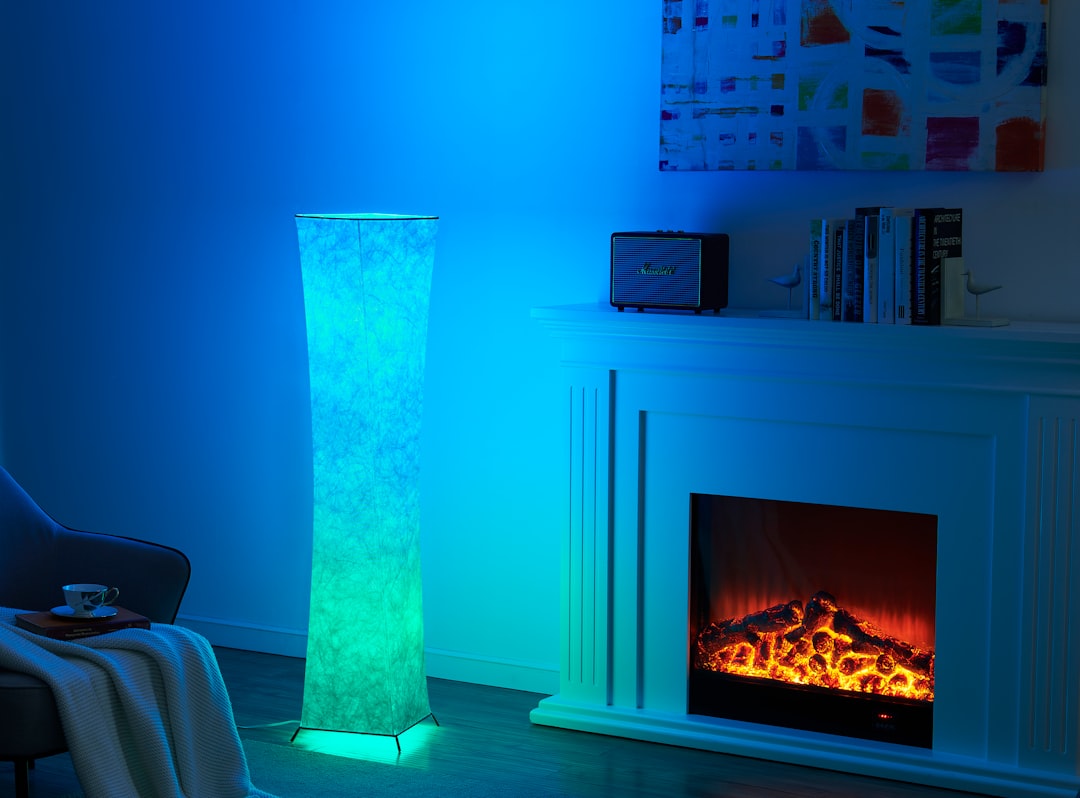
- Color Changing (RGB): Create ambiance with millions of colors.
- Scheduling & Timers: Automate your lighting.
- Integration with Smart Home Ecosystems: Work with other smart devices.
Let’s break down the tangible benefits you can expect from bringing one of these into your space.
Unparalleled Convenience and Control
This is probably the biggest draw for most people, and for good reason. The sheer ease of managing your lighting without ever touching a switch is a game-changer.
Control from Anywhere
Imagine this: You’re cozy on the couch, wrapped in a blanket, and realize the lamp across the room is too bright. Instead of getting up, you just open an app on your phone and dim it. Or, you’re heading out for the evening and remember you left a light on – no need to turn the car around, just switch it off from your phone. This remote access is incredibly handy for those little everyday moments and provides real peace of mind when you’re away.
Voice Command Integration
For those with smart home assistants, voice control takes convenience to the next level. Being able to say, “Hey Google, turn on the reading lamp,” or “Alexa, set the office light to soft white,” feels a bit futuristic but quickly becomes second nature. It’s particularly useful when your hands are full, or you’re just too comfortable to move. This seamless integration makes your home feel more responsive to your needs.
Scheduled Lighting and Automation
Smart lamps aren’t just about manual control; they can also operate on their own. You can set schedules for them to turn on at sunset and off when you typically go to bed, or have them gradually brighten in the morning to mimic a sunrise alarm. This kind of automation isn’t just convenient; it can also contribute to a sense of security when you’re away, making it look like someone is home. For example, programming a lamp in the living room to cycle on and off at various times can deter potential intruders.
Enhance Your Home’s Ambiance and Mood
Beyond basic illumination, smart floor lamps offer an incredible range of options for setting the perfect atmosphere for any occasion. This is where they really shine (pun intended!).
Customizable Brightness and Color Temperature
Standard lamps offer one brightness setting or maybe a three-way bulb. Smart lamps, however, provide granular control over brightness, often from 1% to 100%. This means you can have a subtle glow for a movie night or full illumination for cleaning.
Even more impactful is tunable white. You can switch from cool, crisp daylight (great for working or concentrating) to warm, inviting soft white (perfect for relaxing or entertaining). This ability to match the light to your activity or mood makes a huge difference in how a room feels. For example, using a cooler light in a home office can boost productivity, while a warmer light in the bedroom can promote relaxation as evening approaches.
Dynamic Color Options (RGB)
Many smart floor lamps offer RGB capabilities, meaning they can produce millions of colors. Want to set a vibrant party mood? A calming blue for meditation? A festive red and green for the holidays? It’s all possible with a few taps on your phone. This creative freedom allows you to completely transform the feel of a room without changing any decor. You can match the lighting to your decor, your mood, or even the music you’re playing.
Scene Creation and Presets
No need to manually adjust every setting each time. Most smart lamp apps allow you to create and save “scenes” or presets. This could be a “Movie Night” scene with dim, warm backlighting, a “Reading” scene with bright, cool light, or a “Dinner Party” scene with a more elegant, warm glow. With one tap or voice command, your whole room’s lighting can transform instantly. This saves time and ensures you can easily recreate your favorite lighting setups.
Potential for Energy Efficiency
While the initial cost might be a bit higher than a traditional lamp, smart floor lamps can actually lead to energy savings over time.
LED Technology
The vast majority of smart floor lamps use LED bulbs. LEDs are inherently more energy-efficient than traditional incandescent bulbs, consuming significantly less power while producing the same or even greater light output. They also have a much longer lifespan, meaning less frequent bulb replacements, which saves money and reduces waste.
Dimming and Scheduling for Savings
When you dim your lights, they use less energy. With smart lamps, dimming is so easy that you’re more likely to do it regularly, rather than just leaving the light on full blast. Furthermore, the ability to schedule lights to turn off automatically when you’re not home or when you typically go to bed ensures you’re not wasting electricity by leaving lights on unnecessarily. The “turn off from anywhere” feature also prevents those “did I leave the light on?” moments, saving energy and providing peace of mind.
Enhanced Security and Peace of Mind
Smart lighting isn’t just about convenience; it can also play a role in making your home feel safer, both when you’re there and when you’re away.
Deterring Intruders with “Presence Simulation”
This is a fantastic feature for when you’re on vacation or simply out for the evening. You can set your smart floor lamp (and other smart lights) to turn on and off randomly or on a specific schedule that mimics your typical daily routine. This “presence simulation” gives the impression that someone is home, deterring potential intruders who might be scouting for empty houses. It’s a simple, yet effective, layer of security.
Remote Activation for Safety
Imagine coming home to a dark house. With a smart floor lamp, you can turn on the light from your car or when you’re just outside the door. This eliminates fumbling for switches and provides a welcoming, well-lit entrance, making you feel safer, especially in less secure areas or at night. It also helps navigate potential hazards in the dark, like stairs or clutter.
Practical Considerations Before Buying
A smart floor lamp is a fantastic addition, but like any smart home device, there are a few things to keep in mind to ensure you get the right one for your needs.
Compatibility and Ecosystem
One of the most crucial aspects is making sure the lamp will work seamlessly with your existing or planned smart home setup.
Wi-Fi vs. Bluetooth
Many smart lamps offer both or one of these connection types. Wi-Fi lamps generally offer greater range and remote control from anywhere with internet access. Bluetooth lamps are often simpler to set up and control directly from your phone when you’re within range, but they lose the “control from anywhere” capability. Consider which is more important for you. Some lamps act as a hub for other Bluetooth-only devices, extending their reach.
Smart Home Assistant Integration (Alexa, Google Assistant, HomeKit)
If you use a smart assistant like Amazon Alexa, Google Assistant, or Apple HomeKit, confirm that the lamp is compatible. Look for badges on the product packaging or descriptions that explicitly state “Works with Alexa” or “Google Assistant Built-in.” This ensures you can use voice commands and integrate the lamp into your broader smart home routines alongside other devices. Choosing a lamp that integrates well with your preferred ecosystem will make the user experience much smoother.
Other Smart Home Platforms (Zigbee, Matter)
Some lamps might use protocols like Zigbee, which often requires a separate hub (like a SmartThings hub or Philips Hue Bridge) but can offer more robust and reliable connections, especially for multiple devices. Matter is an emerging standard aiming to simplify smart home compatibility across different brands. If you’re building a larger smart home, considering these protocols can future-proof your setup.
Design and Aesthetics
A floor lamp isn’t just a gadget; it’s a piece of furniture that needs to blend with your decor.
Style and Finish
Smart lamps come in a wide variety of styles, from sleek modern and minimalist designs to industrial or more traditional looks. Consider the existing decor in the room where the lamp will be placed. Does it need to be a statement piece, or should it blend in discreetly? Think about the materials and finishes – brushed metal, wood accents, matte black, chrome – to ensure it complements your space.
Light Diffusion and Direction
How does the lamp distribute light? Some are designed for ambient, indirect lighting (e.g., uplighters), while others are task-focused (e.g., reading lamps with adjustable heads) or provide 360-degree illumination. Think about the primary purpose of the lamp in your room. An uplighter can make a room feel larger and brighter by bouncing light off the ceiling, while a directional lamp is perfect for focused activities.
Size and Footprint
Floor lamps can vary significantly in height and the size of their base. Measure your space to ensure the lamp will fit comfortably without being too intrusive or looking out of place. A slim, minimalist column lamp will occupy a different visual footprint than a large arc lamp that extends over a seating area.
Features That Matter to You
Not all smart lamps are created equal in terms of features. Pinpoint what’s most important for your usage.
Full RGB vs. Tunable White Only
Do you need millions of colors for mood lighting, or is the ability to adjust white light from warm to cool sufficient for your needs? RGB lamps are usually more expensive, so if you only need functional lighting, a tunable white-only lamp might be a more cost-effective choice.
Brightness (Lumens)
Consider the brightness output, measured in lumens. A reading lamp might need around 800-1000 lumens for focused tasks, while an ambient uplighter for a large room might require 1500-2000+ lumens. Check the product specifications to ensure it’s bright enough for its intended use without being overkill.
Special Features (Music Sync, Motion Sensors)
Some high-end smart lamps offer advanced features like syncing with music, reacting to sound, or even having built-in motion sensors to turn on when you enter a room. While these can be fun or convenient, they add to the price, so assess if these extra functionalities are truly valuable for you.
Getting Started with Your Smart Floor Lamp
Once you’ve chosen your lamp, setting it up is usually a straightforward process.
Easy Setup and Installation
Most smart floor lamps are designed for user-friendly setup.
Download the App
Start by downloading the lamp’s dedicated app (or your smart home hub’s app) to your smartphone or tablet. This is usually where you’ll initiate the pairing process.
Power Up and Pair
Plug in your lamp. The app will typically guide you through connecting the lamp to your home Wi-Fi network or pairing it via Bluetooth. This often involves a few steps like flashing the light or entering your Wi-Fi password. Follow the in-app instructions carefully.
Naming and Grouping
Once connected, name your lamp something intuitive (e.g., “Living Room Floor Lamp,” “Reading Nook Light”). If you have multiple smart lights, you can often group them together (e.g., “All Living Room Lights”) for easier control.
Maximizing Your Smart Lamp Experience
To really get the most out of your new smart lamp, explore its full potential.
Explore All App Features
Don’t just stick to on/off. Dive into the app and discover all the dimming, color-changing, scene-setting, and scheduling options. Experiment with different settings to see what works best for various activities like watching TV, dinner, or working.
Set Up Voice Commands
If you have a smart assistant, link your lamp to it. Practice various voice commands. You’ll be surprised how quickly you get used to simply speaking your lighting preferences.
Integrate with Routines and Automations
Take it a step further by integrating your lamp into smart home routines. For instance, create a “Good Morning” routine that slowly brightens your lamp at a specific time and turns on your coffee maker. Or an “Away” routine that turns off all lights and locks your doors. This is where smart home technology truly feels magical and integrated into your daily life.
By considering these practical points, you’ll be well on your way to selecting and enjoying the perfect smart floor lamp for your living space.

Related Posts

Modern Wooden LED Floor Lamp
Chic Living Room Lighting: Silver-Gray Geometric Floor Lamp