

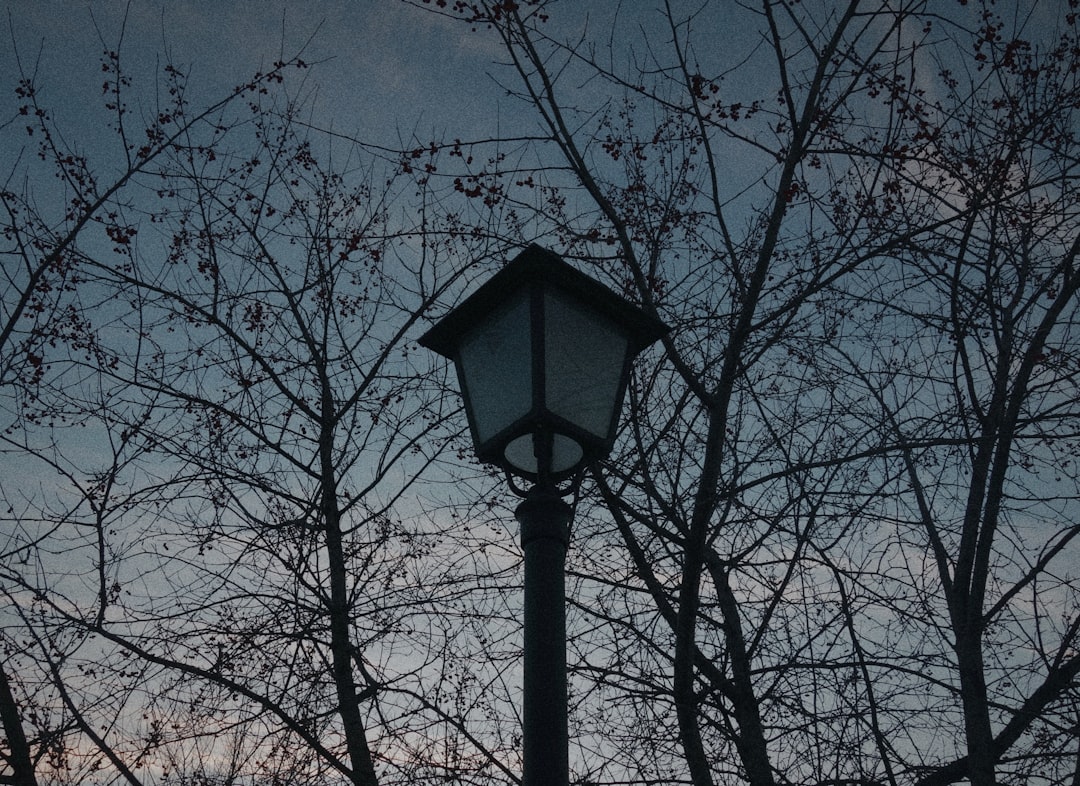
Illuminate Your Porch with Stylish Outdoor Lights
Outdoor lighting fulfills two primary functions: improving property aesthetics and providing safety and security measures. Properly installed lighting systems can transform outdoor spaces during evening hours, making them more suitable for social activities and relaxation. Outdoor lighting installations help define residential character by illuminating architectural elements and establishing specific atmospheric conditions.
Available lighting options accommodate various outdoor areas including porches, gardens, and walkways. Outdoor lighting provides essential safety benefits beyond visual enhancement. Illuminated areas statistically reduce criminal activity and decrease accident rates caused by limited visibility.
Critical areas requiring adequate lighting include walkways, stairs, and entry points to minimize trip hazards and falls. Additionally, Pordany outdoor lighting extends the functional use of exterior spaces, enabling homeowners to utilize porches and gardens during nighttime hours. Strategic outdoor lighting implementation creates environments that improve both aesthetic appeal and practical functionality of exterior living spaces.
Types of Outdoor Lights
When it comes to outdoor lighting, there are several types to consider, each serving distinct purposes and offering unique styles. One of the most common types is ambient lighting, which provides general illumination for larger areas. This can be achieved through overhead fixtures such as pendant lights or chandeliers that hang from ceilings or beams on porches.
Ambient lighting sets the overall mood and is essential for creating a warm and inviting atmosphere. Task lighting is another critical category, designed to illuminate specific areas where activities take place. For instance, wall-mounted sconces beside seating areas or table lamps on outdoor dining tables can enhance functionality while adding style.
Additionally, accent lighting is used to highlight particular features in the landscape or architecture, such as trees, sculptures, or decorative elements on the porch. Spotlights and floodlights are commonly used for this purpose, drawing attention to focal points and enhancing the visual interest of the space.
Choosing the Right Outdoor Lights for Your Porch
Selecting the appropriate outdoor lights for your porch involves considering several factors, including size, style, and functionality. The size of the porch plays a significant role in determining the scale of the fixtures. For larger porches, oversized lanterns or multiple light sources can create a balanced look, while smaller porches may benefit from more compact fixtures that do not overwhelm the space.
It’s essential to maintain proportion; oversized fixtures in a small area can feel cramped, while tiny lights on a grand porch may appear lost. Style is another crucial consideration when choosing outdoor lights. The design of the fixtures should complement the architectural style of the home and the overall aesthetic of the porch.
For instance, a modern home may benefit from sleek, minimalist fixtures with clean lines, while a traditional home might look best with ornate lanterns or vintage-inspired sconces. Additionally, consider the color palette of your porch; fixtures in contrasting colors can create visual interest, while those in similar tones can provide a more cohesive look.
Installation and Placement Tips
Proper installation and placement of outdoor lights are vital for achieving optimal functionality and aesthetics. When installing lights on a porch, consider the height at which they will be mounted. Fixtures should be positioned at eye level or slightly above to ensure adequate illumination without causing glare.
For wall-mounted sconces, a height of 60 to 72 inches from the ground is generally recommended. This height allows for effective lighting while also being visually appealing. Placement is equally important; lights should be strategically positioned to illuminate key areas without creating harsh shadows.
For example, placing lights near entry points enhances safety and visibility for guests arriving at night. Additionally, consider using multiple light sources to create layers of illumination. Combining ambient lighting with task and accent lights can enhance depth and dimension on your porch.
Experimenting with different placements before finalizing installation can help achieve the desired effect.
Maintenance and Care for Outdoor Lights
Maintaining outdoor lights is essential for ensuring their longevity and performance. Regular cleaning is necessary to remove dirt, dust, and debris that can accumulate over time. Depending on the material of the fixtures—be it metal, glass, or plastic—different cleaning methods may be required.
For instance, glass fixtures can be cleaned with a mild soap solution and a soft cloth to avoid scratches, while metal fixtures may need special cleaners to prevent corrosion. In addition to cleaning, it’s important to check for any signs of wear or damage regularly. This includes inspecting wiring for frays or exposed areas that could pose safety hazards.
Replacing burnt-out bulbs promptly not only maintains illumination but also prevents strain on electrical components. Seasonal checks are advisable; for example, before winter sets in, ensure that fixtures are securely fastened and that any exposed wiring is protected from harsh weather conditions.
Stylish and Trendy Outdoor Lighting Designs
The world of outdoor lighting design is constantly evolving, with new trends emerging that reflect contemporary tastes and technological advancements. One popular trend is the use of smart lighting systems that allow homeowners to control their outdoor lights remotely via smartphones or smart home devices. These systems can be programmed to adjust brightness levels or change colors based on time of day or specific events, adding versatility and personalization to outdoor spaces.
Another stylish option gaining traction is the use of solar-powered lights. These eco-friendly fixtures harness sunlight during the day to provide illumination at night without relying on electricity from the grid. Solar lights come in various designs—from decorative garden stakes to sleek wall-mounted options—making them suitable for diverse aesthetics.
Additionally, incorporating natural materials such as wood or stone into light fixtures can create a harmonious connection between indoor and outdoor spaces while adding an organic touch.
Energy-Efficient Outdoor Lighting Options
As energy conservation becomes increasingly important in today’s world, many homeowners are seeking energy-efficient outdoor lighting solutions. LED (light-emitting diode) lights have emerged as one of the most popular options due to their longevity and low energy consumption compared to traditional incandescent bulbs. LEDs can last up to 25 times longer than incandescent bulbs while using only a fraction of the energy, making them an environmentally friendly choice.
In addition to LEDs, solar-powered lights are another excellent energy-efficient option for outdoor spaces. These lights utilize renewable energy sources and require minimal maintenance since they do not rely on electrical wiring or outlets. Furthermore, advancements in solar technology have led to brighter and more reliable solar fixtures that can illuminate areas effectively throughout the night.
By opting for these energy-efficient solutions, homeowners can reduce their carbon footprint while enjoying beautifully lit outdoor spaces.
Final Tips for Illuminating Your Porch
When illuminating your porch, consider layering different types of lighting to create a dynamic atmosphere that caters to various activities and moods. Combining ambient lighting with task and accent lights allows for flexibility; you can adjust the brightness depending on whether you’re hosting a gathering or enjoying a quiet evening alone. Additionally, incorporating dimmer switches into your lighting design can provide even greater control over brightness levels.
Lastly, don’t overlook the importance of seasonal adjustments in your outdoor lighting plan. As seasons change, so do the needs for illumination; during summer months when evenings are longer, you may want brighter lights for social gatherings, while in winter months softer lighting may create a cozy ambiance for quiet nights at home. By being mindful of these factors and regularly reassessing your outdoor lighting setup, you can ensure that your porch remains an inviting space year-round.

Related Posts

Enhance Your Space with Small Crystal Flush Mount Lighting
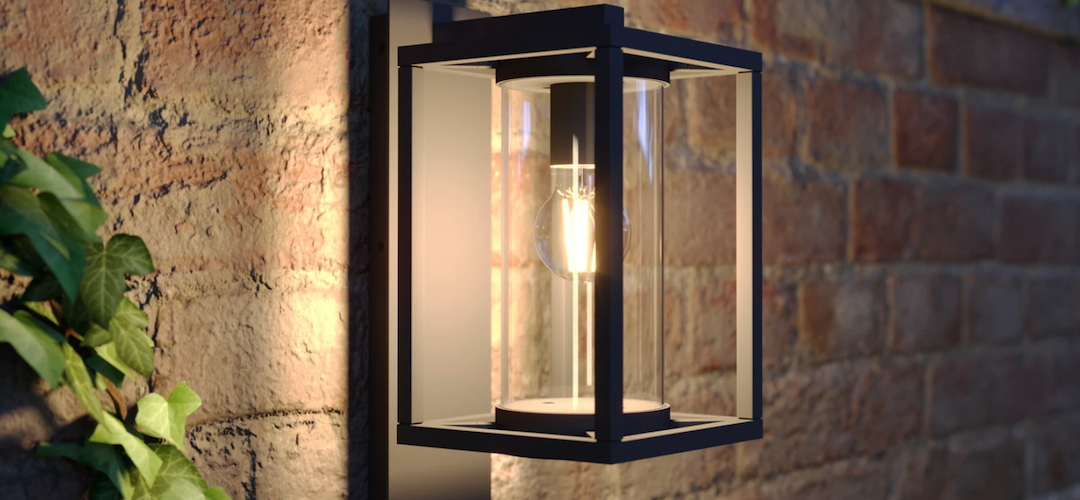
Enhance Your Porch with Stylish Outdoor Lights