
Enhance Your Space with a Frosted Glass Table Lamp
Frosted glass table lamps can indeed enhance your space. They offer a diffused, softer light than clear glass, reducing harsh glare and creating a more inviting atmosphere. This quality makes them versatile, suitable for various rooms and purposes, from providing ambient light to serving as a focused reading lamp. Their translucent nature often allows the internal bulb to be a design element without being blinding, contributing to the lamp’s overall aesthetic.
When we talk about frosted glass, it’s not just about obscuring the bulb. The frosting process, whether acid-etching or sandblasting, creates a microscopically rough surface that scatters light. This scattering is key to its effect.
The Science of Diffusion
Instead of light rays traveling in a straight line from the bulb, they hit the frosted surface and bounce off in multiple directions. This diffusion is what creates that soft glow. It’s akin to a cloudy day versus a sunny one; the same amount of light might be present, but its quality is fundamentally different due to atmospheric scattering. This principle is why frosted glass is favored in many lighting applications beyond just lamps, like shower doors or privacy windows.
Reducing Glare and Hotspots
One of the most immediate benefits you’ll notice with a frosted glass lamp is the reduction of glare. A bare bulb, especially an LED, can create uncomfortable hotspots in your vision, particularly in a dim room. Frosted glass acts as a filter, spreading that intense point of light over a larger area, diminishing its perceived intensity and harshness. This is particularly useful in bedrooms or living areas where relaxation is a priority.
Creating Ambient Light
Because the light is diffused, it tends to fill a space more evenly. Instead of a strong beam or pool of light, you get a softer, more pervasive illumination. This makes frosted glass lamps excellent for contributing to a room’s overall ambient light layer, complementing ceiling fixtures or other light sources without overpowering them. It’s about setting a mood, rather than simply lighting a task.
Practical Placement and Use
Understanding where and how to best utilize a frosted glass table lamp can maximize its impact. It’s not a one-size-fits-all solution, but its adaptability is certainly a strength.
Bedside Tables
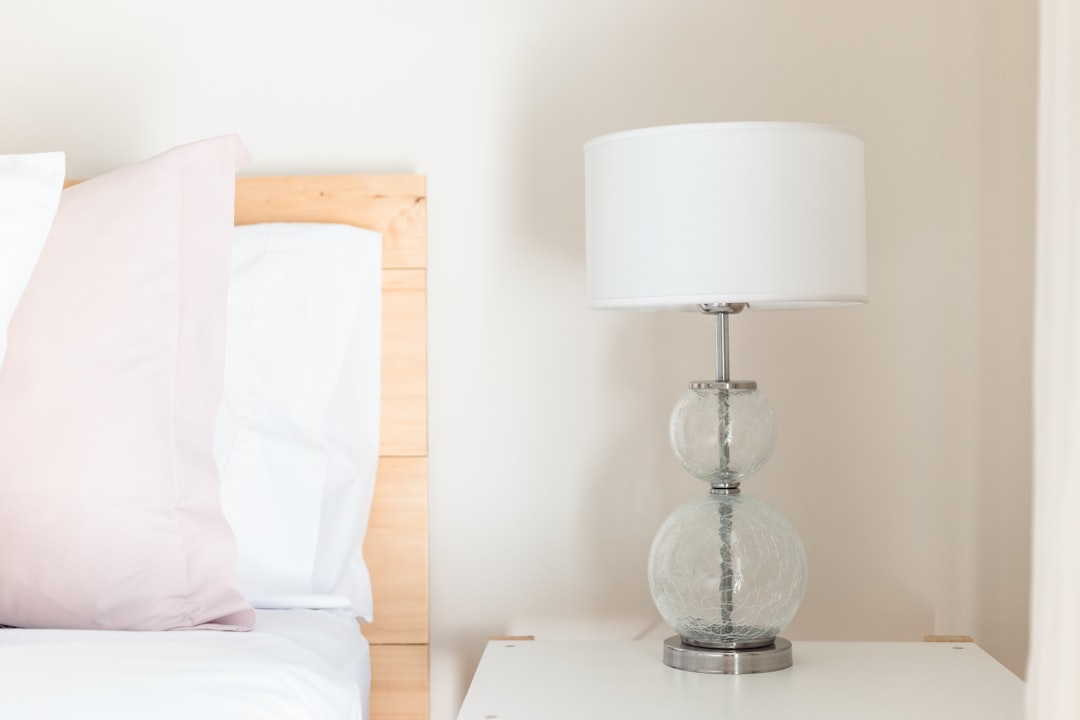
A common and effective spot for these lamps is on bedside tables. The soft light is pleasant for winding down in the evening, reading a bit before sleep, or for navigating the room without fully waking yourself up. The reduced glare is particularly beneficial when you’re looking at the lamp directly from a prone position. You can choose a lamp with a wider shade for more ambient bedside light or a narrower one if you primarily need directed light for reading.
Living Room Accents
In a living room, a frosted glass lamp can serve multiple roles. It can be part of a layered lighting scheme, providing a warm glow in a corner or on an end table. It can also act as a visual anchor, complementing other decor elements. Consider placing one on a console table behind a sofa, where its upward-diffused light can wash a wall with a gentle glow.
Home Office Considerations
While harsh, direct light is sometimes thought to be best for task work, a frosted glass lamp on a desk can provide excellent supplementary lighting without the strain. It helps to reduce stark contrasts between your illuminated work area and the darker surroundings, which can reduce eye fatigue over longer periods. Just ensure it’s positioned to illuminate your work rather than cast shadows.
Entryways and Hallways
For transient spaces like entryways or hallways, a frosted lamp can offer a welcoming, subtle light. It’s usually not about bright task lighting here, but rather about creating a sense of arrival and ensuring safe passage. A smaller frosted lamp on a narrow console table can achieve this effectively.
Design Styles and Materials
Frosted glass isn’t just one look. It comes in various finishes and is paired with different materials, allowing it to blend seamlessly with diverse aesthetic preferences.
Modern and Minimalist Styles
Many contemporary frosted glass lamps lean into modern or minimalist designs. Think clean lines, geometric shapes, and often metallic bases like brushed steel or matte black. The translucent glass itself often embodies a minimalist aesthetic, as its beauty lies in its understated nature and the quality of light it produces. These lamps can feel sculptural even when off, adding an artful element to a space.
Mid-Century Modern Influences
Frosted glass was also popular during the mid-century modern period. Here, you might see more organic shapes, perhaps a spherical frosted glass shade paired with a warm wood or brass base. These designs often prioritize functionality while still maintaining a distinct, iconic look. The warmth of the materials often contrasts beautifully with the cool diffusion of the glass.
Textured and Patterned Glass
While “frosted” often implies a uniform haze, some lamps feature frosted glass with subtle textures or embedded patterns. This can add an extra layer of visual interest when the light is on, casting soft, dappled shadows or highlights. These can range from subtle fluting to more abstract etched patterns, offering more decorative options than plain frosted glass.
Pairing with Different Bases
The base material significantly influences the overall feel of the lamp.
- Metal (Brass, Chrome, Blackened Steel): Offers a sleek, industrial, or sophisticated look. Polished brass can add a touch of traditional luxury, while matte black steel is distinctly contemporary.
- Wood (Oak, Walnut, Pine): Brings warmth and a natural feel. Lighter woods provide a more Scandinavian or coastal vibe, while darker woods can ground the lamp and add a sense of gravitas.
- Ceramic or Stone: Can introduce texture and a handcrafted feel. A ceramic base might be glazed in a neutral tone, or a stone base (like marble or travertine) can add a sense of luxury and weight.
Bulb Choices for Optimal Effect
The bulb you choose for your frosted glass lamp isn’t just about brightness; it significantly impacts the quality of light and the lamp’s overall appearance.
Warm White vs. Cool White
This is primarily about color temperature, measured in Kelvin (K).
- Warm White (2700K-3000K): Emits a soft, yellow-ish glow, similar to incandescents. This is often preferred for bedrooms and living areas to create a cozy, relaxing atmosphere. It enhances warm tones in a room and feels more inviting.
- Cool White (3500K-4500K): Appears whiter, with a slight blue tint. While sometimes used for task lighting, it can feel too stark or sterile when diffused through frosted glass in a residential setting. It’s generally less suitable for creating a relaxing ambiance.
For most frosted glass table lamps intended for ambiance or general lighting in a home, a warm white bulb will deliver the best results.
LED Bulbs: Efficiency and Options
LEDs are generally the preferred choice due to their energy efficiency and longevity.
- Dimmable LEDs: This is a key feature. A dimmable bulb allows you to adjust the light output from a soft glow to brighter illumination, offering greater versatility for different times of day or activities. Ensure your lamp fixture is also compatible with dimming.
- “Filament” LEDs (if visible): While frosted glass hides the individual diodes of most LEDs, some frosted lamps might still expose the bulb shape. If so, “filament” style LEDs, which mimic the look of incandescent filaments, can add a touch of vintage charm even behind the diffusion.
Avoiding Over-Brightness (Lumens)
With frosted glass, you don’t necessarily need a very high-lumen bulb. The diffusion process already softens the light, so an overly bright bulb can still feel intense, even if less glary. For most accent or ambient table lamps, look for bulbs in the 400-800 Lumen range (equivalent to 40-60 watt incandescent) as a starting point, and adjust based on the lamp’s specific design and your room’s needs. Dimmable options mitigate this concern, as you can always dial it down.
Maintenance and Care
Frosted glass is generally quite durable, but knowing how to properly care for it will keep it looking its best and ensure its longevity.
Routine Cleaning
Dust is the primary culprit for dimming light and making glass look less appealing.
- Dusting: A soft, dry microfiber cloth is usually sufficient for regular dusting. For grooves or intricate patterns, a soft brush (like a clean paintbrush) can help.
- Fingerprints and Smudges: For fingerprints or minor smudges, a slightly damp microfiber cloth can work wonders. Avoid harsh cleaners, especially on acid-etched glass finishes, as they can potentially damage the frosting.
Deeper Cleaning for Stubborn Marks
If you encounter more stubborn grime:
- Mild Soap and Water: Mix a few drops of dish soap with warm water. Dip your microfiber cloth into the solution, wring it out thoroughly so it’s only damp, and gently wipe the affected areas.
- Rinsing and Drying: Follow up with a cloth dampened only with clean water to remove any soap residue. Crucially, dry the glass immediately with a clean, dry microfiber cloth to prevent water spots, which can be particularly visible on frosted surfaces.
- Avoid Abrasives: Never use abrasive cleaners, scouring pads, or harsh chemicals like ammonia-based window cleaners, as these can permanently damage the frosted finish, making it appear blotchy or even removing the frosting entirely.
Handling and Assembly Notes
- Gentle Handling: Frosted glass, while robust, can still chip or break if dropped or handled roughly. Always hold the glass components firmly but gently.
- Bulb Insertion: When replacing a bulb, ensure the lamp is unplugged. Twist the bulb in firmly, but avoid over-tightening. If the bulb requires a specific wattage, adhere to it to prevent overheating or damage to the lamp’s internal wiring.
- Base Stability: Periodically check that the lamp base is stable and that all connections (if the lamp has multiple parts) are secure. A wobbly lamp is more prone to falling and breaking.
By understanding the unique properties of frosted glass, and how to combine it with appropriate bulbs and maintain it properly, you can effectively integrate these versatile lamps into your home. They offer a simple, yet impactful way to refine your lighting scheme, fostering a sense of calm and visual comfort without unnecessary fuss.
Related Posts
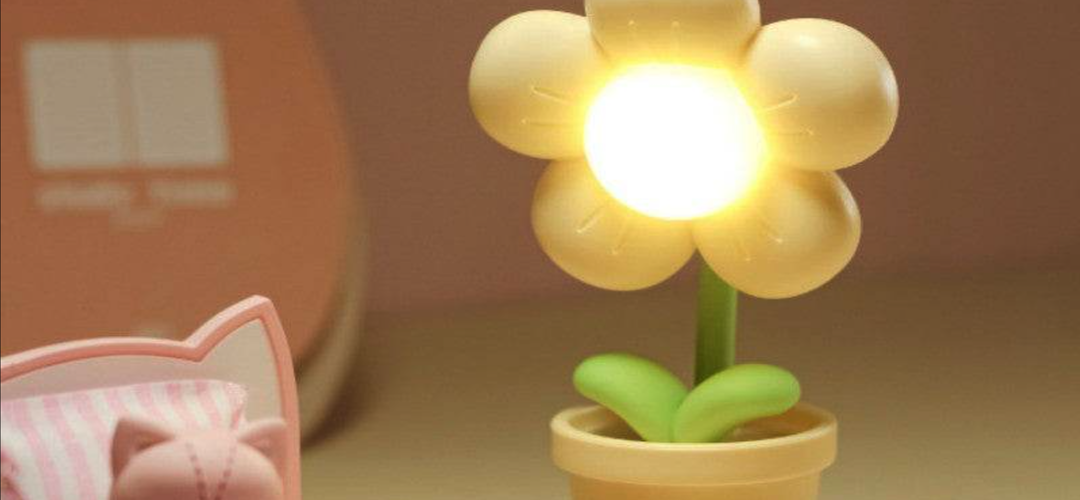
Adorable Children’s Doll Table Lamp: Perfect for Bedtime Stories