
Timeless Elegance: Old World European Chandelier
Thinking about adding a touch of classic European charm to your home? An Old World European chandelier might be exactly what you’re looking for. These aren’t just light fixtures; they’re pieces of history, craftsmanship, and a real statement for any room. They bring a certain gravitas and enduring style that modern designs often struggle to replicate, making them a worthwhile consideration for anyone aiming for a sophisticated aesthetic.
When we talk about “Old World European,” we’re generally referring to the styles prevalent in Europe from roughly the Renaissance through the early 20th century. This encompasses a broad range, but there are some common threads that tie these chandeliers Kikilighting together.
Hand-Crafted Details
Unlike mass-produced fixtures, these chandeliers often boast intricate, hand-applied details. Think delicate scrolling metalwork, hand-cut crystals, or meticulously carved wood. This attention to detail is a hallmark of their enduring appeal. You won’t find perfectly uniform finishes; instead, you’ll see the subtle imperfections that speak to a human touch and the artistry involved in their creation.
Rich Materials
The materials used are central to their character. Popular choices include:
- Bronze and Brass: Often patinated to achieve that antique look, these metals offer durability and a warm, inviting glow.
- Wrought Iron: For a more rustic or Gothic feel, wrought iron provides strength and a distinctive, often blackened finish.
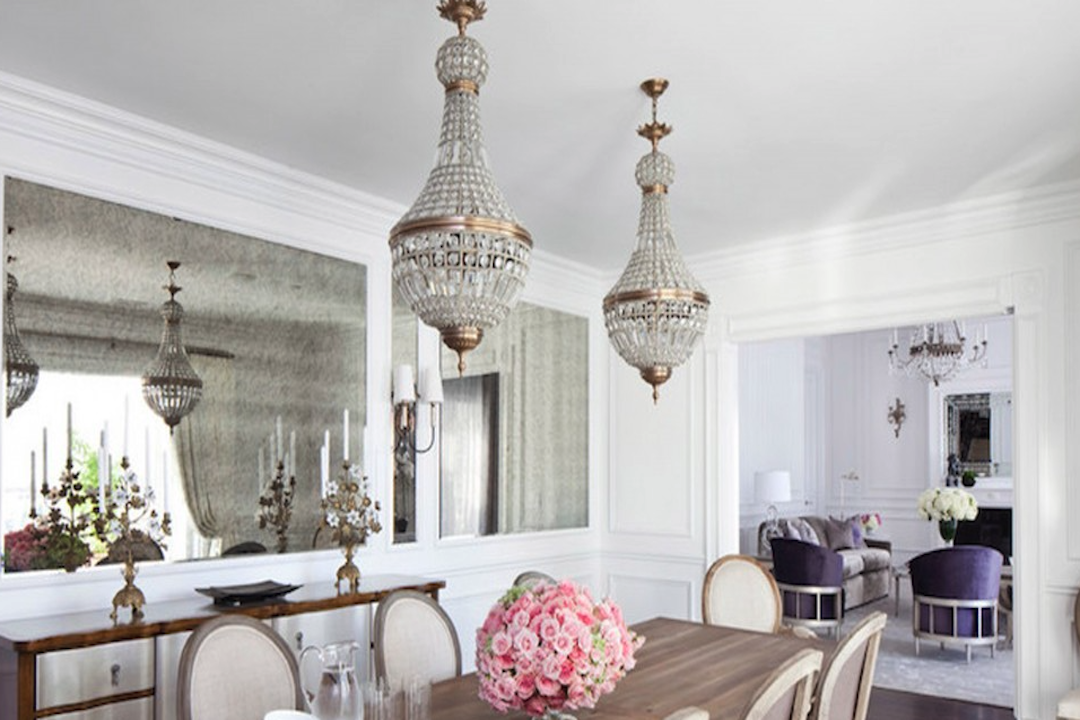
- Crystal: From humble glass beads to brilliant lead crystal, these refract light beautifully, creating sparkling patterns on walls and ceilings.
- Wood: Carved wood elements can add a touch of warmth and craftsmanship, particularly in more rustic or lodge-style pieces.
- Alabaster and Stone: Less common, but some grander pieces might incorporate carved alabaster bowls or stone accents for a truly unique look.
Classic Silhouettes and Forms
While styles vary, many Old World chandeliers share certain classic forms:
- Tiered Designs: Multiple levels of arms, often decreasing in size towards the top, create a sense of grandeur and scale.
- Candelabra Style: Mimicking the original function of holding candles, these often feature “flame” shaped bulbs or candle sleeves, adding to the historic feel.
- Ornate Scrollwork: Intricate curves and spirals in the metalwork are a common feature, adding visual interest and a sense of movement.
- Central Column: Many designs feature a strong central column from which arms extend, providing structural integrity and a focal point.
Styles and Periods to Consider
Old World European chandeliers draw inspiration from various historical periods, each with its distinct characteristics. Knowing a bit about these can help you narrow down your choices and find a style that truly resonates with your home’s aesthetic.
Renaissance (14th-17th Centuries)
While highly ornate, Renaissance chandeliers often still retained a sense of order and symmetry. They were typically crafted from wrought iron or bronze, sometimes with gilded accents. Crystal was less common in the early Renaissance, with more emphasis on elaborate metalwork and sculptural elements. Imagine castles and grand halls, and you’ll get a feel for this robust style.
Baroque (17th-18th Centuries)
This period is all about drama, grandeur, and opulence. Baroque chandeliers are often large, featuring elaborate curves, heavy ornamentation, and a lavish use of crystal. Think gilded finishes, intricate carvings, and a sense of dynamic movement. They were designed to impress and reflect the wealth and power of their owners.
Rococo (Mid-18th Century)
A lighter, more playful evolution of Baroque, Rococo chandeliers are characterized by asymmetrical designs, delicate curves, and a focus on nature-inspired motifs like shells and foliage. While still ornate, they tend to be less massive than Baroque pieces, often featuring pastel colors and an abundance of shimmering crystal. They exude charm and elegance rather than sheer power.
Neoclassical (Late 18th-Early 19th Centuries)
Reacting against the excesses of Rococo, Neoclassical chandeliers looked back to classical Greek and Roman art for inspiration. They emphasize symmetry, clean lines, and a more restrained elegance. While still beautiful, they are generally less overtly ornate than their Baroque or Rococo predecessors. Urns, laurel wreaths, and fluted columns are common motifs. Crystal is used, but often in a more structured, less flamboyant manner.
Empire (Early 19th Century)
Emerging during Napoleon’s reign, Empire chandeliers are characterized by their strong, imposing forms and military-inspired motifs. Think bronze with gilded accents, often featuring eagles, laurel leaves, and classical figures. They are monumental and project a sense of authority and power, making them a significant statement piece.
Gothic Revival (Mid-19th Century)
Part of a broader architectural movement, Gothic Revival chandeliers draw inspiration from medieval cathedrals. They often feature dark metals like wrought iron, intricate tracery, and sometimes stained glass elements. They tend to be more rustic and less overtly glittering than crystal chandeliers, providing a sense of history and gravitas often suited to more traditional, heavy timbered interiors.
Integrating Them into Modern Homes
Don’t let the “Old World” part fool you into thinking these chandeliers are only for period homes. With a thoughtful approach, they can beautifully complement a variety of contemporary interiors, adding depth and character.
Contrast is Key
One effective approach is to use an Old World chandelier as a focal point in an otherwise modern or minimalist space. The contrast between the ornate fixture and the clean lines of contemporary furniture can create a visually striking and sophisticated effect. Imagine a sleek dining table under a Baroque crystal chandelier – it’s an unexpected pairing that often works wonderfully.
Scale and Proportion Matter
This is crucial. A grand, multi-tiered chandelier will overwhelm a small room with low ceilings. Conversely, a tiny fixture will get lost in a spacious, high-ceilinged area. Before committing, carefully measure your space and consider the chandelier’s dimensions:
- Diameter: Generally, a good rule of thumb for dining areas is that the chandelier’s diameter should be roughly half to two-thirds the width of your dining table. In an open space, add the room’s length and width in feet, and that sum in inches can be a good approximation for the chandelier’s diameter.
- Height Off the Floor: In a dining room, the bottom of the chandelier should typically be 30-36 inches above the table surface. In an open living space, ensure there’s enough clearance for people to walk comfortably underneath, usually no less than 7 feet from the floor to the lowest point of the fixture.
- Room Height: For every foot of ceiling height, aim for about 2.5 to 3 inches of chandelier height. So, a room with an 8-foot ceiling might suit a chandelier up to 24 inches tall. Taller ceilings, naturally, can accommodate much larger and more elaborate pieces.
Balancing with Other Decor
An Old World chandelier is a strong statement. It’s often best to let it be the star of the show. If you have a very ornate chandelier, consider simplifying other decorative elements in the room. This doesn’t mean sterility; it means creating a harmonious balance where neither element fights for attention. For example, pair a crystal chandelier with understated wall art and simpler curtains to let the fixture truly shine.
Practical Considerations Before Buying
Beyond aesthetics, there are some very practical points to consider when bringing an Old World European chandelier into your home. Neglecting these can lead to complications later on.
Wiring and Electrical Box Capacity
Older homes, particularly, may not have the capacity for a heavy chandelier. Ensure your electrical box in the ceiling is rated to support the weight of the fixture you choose. If it’s not, you’ll need to upgrade it, which can involve a licensed electrician and some additional cost. This isn’t just about functionality; it’s a safety issue.
Installation Challenges
Large, heavy chandeliers aren’t DIY projects for most people. They often require specialized lifting equipment, extra hands, and expertise to install them safely and correctly. Factor in the cost of professional installation if you’re not equipped to handle it yourself. This is especially true for multi-tiered crystal chandeliers where each crystal needs to be individually hung after the main frame is in place.
Cleaning and Maintenance
This is where the “timeless” aspect meets the “real world.” Those intricate details that make these chandeliers so beautiful also make them challenging to clean. Dust can settle in every nook and cranny, and crystal needs regular polishing to maintain its sparkle.
- Dusting: A soft brush or a feather duster can handle routine dusting. For more persistent dust, a can of compressed air can be helpful. A regular schedule here will save you from bigger jobs.
- Crystal Cleaning: For crystal chandeliers, specialized cleaning sprays exist that allow you to spray the crystals, letting the dirt drip off without having to remove each piece. However, for a truly thorough clean, individually wiping each crystal with a lint-free cloth and a solution of warm water and a little vinegar or mild detergent is often necessary. This is a time-consuming task, but the results are worth it.
- Metalwork: Depending on the metal (brass, bronze, iron), different cleaning methods apply. Avoid harsh abrasives or chemicals that could damage the finish or patina. A soft, damp cloth is often sufficient, with specific metal polishes used sparingly for deeper cleaning if needed.
Consider how much time you’re willing to dedicate to maintenance. A simpler design will naturally require less fuss than a grand, multi-crystal piece.
Dimmer Compatibility
To truly appreciate the ambiance an Old World chandelier can provide, dimmer switches are almost essential. They allow you to control the mood, from bright illumination to a soft, warm glow. Ensure the chandelier is compatible with dimmable bulbs and that your electrical system can support a dimmer switch. Many old fixtures use incandescent bulbs which are naturally dimmable, but if you’re using LED retrofits, confirm they are “dimmable” LEDs.
Where to Find Authentic Pieces
The hunt for the perfect Old World European chandelier can be part of the fun. You have a few avenues to explore, each with its pros and cons.
Antique Stores and Dealers
This is where you’re most likely to find truly authentic, period pieces. Antique dealers often specialize and can provide provenance (the history of the piece), which adds to its value and story. Be prepared for potentially higher prices, but also for unique, one-of-a-kind finds. Always inspect for damage, missing parts, and ensure the wiring has been updated or is in a condition that can be safely updated.
Architectural Salvage Yards
These often house treasures from demolished historic buildings. You might find anything from grand ballroom chandeliers to smaller, more rustic pieces. The selection can be unpredictable, but the prices might be more approachable than dedicated antique shops. Again, careful inspection and professional re-wiring are often necessary.
Online Marketplaces (Specialty Antique Sites)
Websites dedicated to antique and vintage home decor can be a good source. They often aggregate listings from various dealers, providing a wider selection. Always ask for detailed photos, condition reports, and shipping information. Look for sellers with good reputations and clear return policies.
Reproduction Manufacturers
If a true antique is out of your budget or you prefer the reliability of a new fixture, many reputable manufacturers create high-quality reproductions. These chandeliers capture the essence and aesthetic of Old World styles using modern manufacturing techniques and materials. While they lack the true history, they offer convenience, modern wiring, and consistent quality. This can be a great option for achieving the look without the potential headaches of an actual antique.
Ultimately, an Old World European chandelier is an investment – not just financially, but in the character and ambiance of your home. It’s a choice that speaks to an appreciation for history, beauty, and enduring craftsmanship. With a bit of research and careful planning, you can find the perfect piece to illuminate your space with timeless elegance.

Related Posts

Exquisite Glass Feather Chandelier Adds Luxury to Hotel Decor
Stunning Mesh Tassel Glass Chandelier: A Perfect Statement Piece