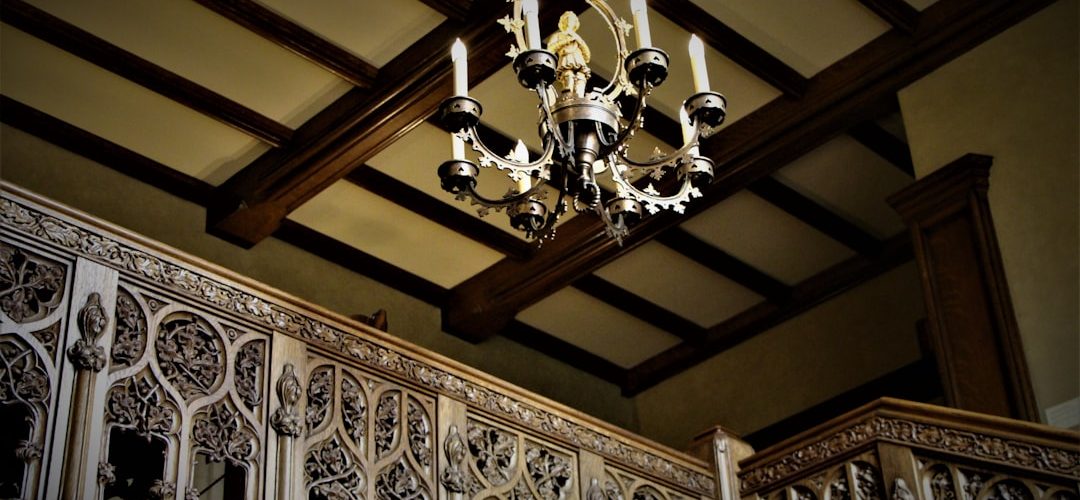


Timeless Charm: Vintage Edison Bulb Pendant
The vintage Edison bulb pendant lights have gained considerable attention for their distinctive aesthetic and contribution to interior design. These light fixtures, often featuring exposed incandescent bulbs with visible filaments, evoke a sense of nostalgia and craftsmanship. Their popularity can be attributed to a fusion of historical design elements with contemporary lighting technology, offering a unique ambiance. This article will explore the historical context, design characteristics, applications, and practical considerations associated with vintage Edison bulb pendant lights.
The genesis of the Edison bulb pendant light Posnano is intrinsically linked to the invention of the incandescent light bulb itself. Thomas Edison’s development of a commercially viable incandescent lamp in the late 19th century marked a pivotal moment in lighting history.
The Incandescent Revolution
The traditional incandescent light bulb, characterized by its filament heated by electrical current until it glows, was a departure from earlier lighting methods such as gas lamps and candles. Edison’s innovation lay in finding a durable filament that could burn for an extended period, typically housed within a vacuum-sealed glass bulb. This invention ushered in an era of safe, reliable, and accessible electric lighting, fundamentally altering urban landscapes and domestic life.
Early Industrial and Commercial Use
In the nascent stages of widespread electrification, lighting fixtures were often functional rather than overtly decorative. Factories, workshops, and early commercial establishments frequently utilized simple, robust pendant lights. These fixtures were designed to illuminate working spaces effectively, prioritizing durability and ease of maintenance. The raw aesthetic of the exposed bulb and often utilitarian hanging mechanism became a hallmark of industrial environments.
The Rise of Art Deco and Industrial Chic
As interior design evolved through the 20th century, elements of industrial design began to be incorporated into residential and commercial spaces. The Art Deco period, with its embrace of geometric forms and utilitarian materials, provided a fertile ground for the appreciation of industrial-inspired aesthetics. The stark simplicity of the Edison bulb, devoid of elaborate shades or diffusers, resonated with this evolving taste. The subsequent emergence of “industrial chic” as a design movement further cemented the Edison bulb’s place within the decorative arts.
Modern Adaptations and LED Technology
While the original Edison bulbs were incandescent, contemporary vintage Edison bulb pendants often utilize LED technology that mimics the warm glow and visible filament of the originals. This evolution addresses the energy inefficiency and shorter lifespan of traditional incandescent bulbs, offering a sustainable and longer-lasting alternative without compromising the desired aesthetic. The internal components of LED bulbs have been ingeniously designed to replicate the appearance of a glowing filament.
Design Characteristics and Aesthetics
The appeal of vintage Edison bulb pendant lights lies in a confluence of specific design attributes that evoke a particular mood and style. These characteristics contribute to their widespread adoption in various interior design schemes.
Exposed Filament and Warm Glow
A defining feature of these pendants is the visible filament within the glass bulb. This filament, often a delicate, coiled wire (historically carbonized bamboo or tungsten), emits a warm, amber-toned light. This characteristic glow is a significant departure from the cooler, brighter light typically produced by modern fluorescent or LED bulbs. The warmth translates to an inviting and cozy atmosphere, akin to the soft illumination of candlelight or a hearth.
Variety of Bulb Shapes and Sizes
The Edison bulb itself is not monolithic. A diverse array of shapes and sizes exists, each contributing a unique visual element to the pendant. Common forms include the classic teardrop (ST64), globe (G125), squirrel cage, and various antique shapes. The specific bulb chosen can significantly alter the overall impact of the fixture, from a subtle accent to a prominent centerpiece.
Materiality of Fixtures
The pendant fixtures themselves are often constructed from materials that complement the vintage aesthetic. This can include:
Metal Finishes
- Aged Brass: This finish offers a rich, warm patina that deepens with age, evoking antique brass fixtures.
- Black Iron: Often with a matte or slightly textured finish, black iron lends a strong, industrial feel.
- Copper: Unlacquered copper can develop a distinctive verdigris over time, adding to its vintage character.
Other Materials
- Wood Accents: Simple wooden elements can be incorporated into the canopy or stem, adding a touch of natural warmth.
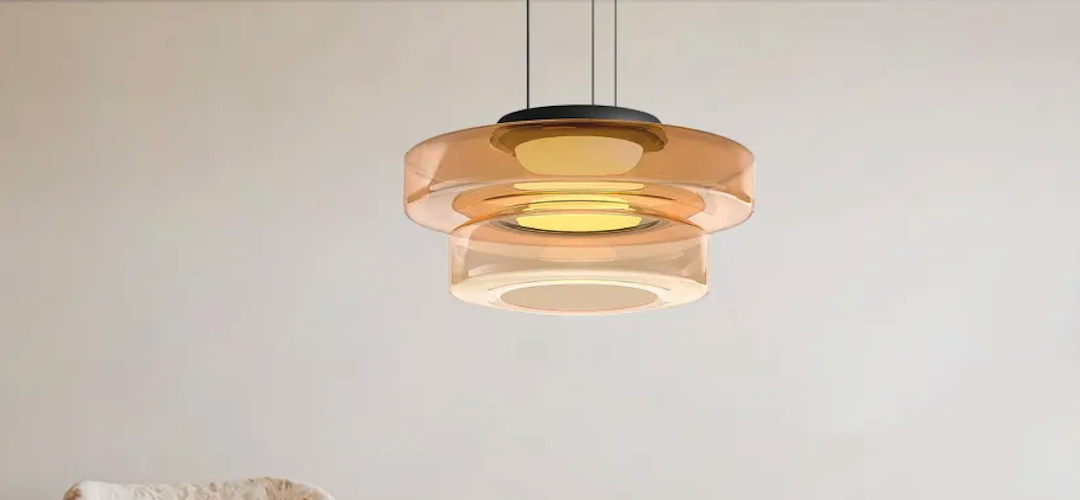
- Glass Shades (Limited): While many Edison bulb pendants feature exposed bulbs, some designs may incorporate clear or subtly tinted glass shades that do not obscure the filament entirely. These are typically minimalist in design.
Simplicity of Form
Generally, vintage Edison bulb pendants eschew elaborate ornamentation. Their beauty lies in their simplicity, allowing the bulb itself to be the focal point. The suspension mechanisms are often straightforward, consisting of a fabric-covered cord or a metal chain, emphasizing the raw, functional aspect of early lighting.
Applications in Interior Design
The versatility of vintage Edison bulb pendant lights allows them to be incorporated into a wide range of interior design styles and settings, from residential interiors to commercial establishments. Their ability to evoke specific moods makes them a valuable design tool.
Residential Spaces
In homes, these pendants can contribute to a variety of atmospheres:
Kitchens and Dining Areas
- Island Lighting: Hung over kitchen islands, they provide focused, ambient light and contribute to a relaxed, inviting atmosphere for meal preparation and casual dining.
- Dining Table Illumination: Suspended above a dining table, they create an intimate setting for meals, their warm glow enhancing the dining experience.
Living Rooms and Lounges
- Accent Lighting: Placed strategically in corners or above seating areas, they can provide ambient light without overwhelming the space.
- Creating Cozy Nooks: Grouped together in a reading nook, they can foster a sense of seclusion and comfort.
Bedrooms
- Bedside Lighting: As an alternative to traditional bedside lamps, pendants can offer a more streamlined and stylish lighting solution.
- General Ambient Light: A single pendant can provide a soft, diffused light for the entire room, promoting relaxation.
Commercial and Hospitality Settings
The unique aesthetic of Edison bulb pendants makes them particularly well-suited for commercial environments seeking to establish a specific brand identity or ambiance:
Cafes and Restaurants
- Industrial and Rustic Themes: They are a natural fit for establishments with industrial, rustic, or vintage-themed decor, enhancing the overall atmosphere and character.
- Creating Warm Ambiance: The warm, inviting light contributes to a comfortable and convivial dining or coffee-drinking experience, encouraging patrons to linger.
Retail Spaces
- Highlighting Merchandise: In boutiques or specialty stores, they can be used to draw attention to specific displays or products, adding a touch of curated charm.
- Establishing a Brand Aesthetic: For brands aiming for a handcrafted, artisanal, or heritage feel, these lights can be integral to the store’s visual identity.
Galleries and Studios
- Artistic and Creative Environments: Their aesthetic appeal and soft lighting can complement creative spaces, providing a backdrop that is both functional and visually interesting.
- Subtle Illumination: In art galleries, they can provide ambient light without casting harsh shadows or altering the perception of artworks.
Specific Design Styles
Beyond general applications, these pendants are strongly associated with certain interior design movements:
Industrial Style
This style emphasizes raw materials, exposed structures, and utilitarian elements. Edison bulb pendants, with their exposed bulbs and often metal fixtures, are a quintessential component of industrial design, bringing authenticity and character.
Farmhouse and Rustic Styles
The warm glow and slightly aged appearance of Edison bulb pendants align perfectly with the cozy, natural feel of farmhouse and rustic interiors, complementing wooden elements and softer textures.
Minimalist and Scandinavian Designs
While seemingly contrasting, simple Edison bulb pendants, particularly those with clean lines and single bulbs, can also find a place in minimalist and Scandinavian interiors by providing a subtle focal point and a touch of warmth without being ornate.
Practical Considerations and Installation
When selecting and installing vintage Edison bulb pendant lights, several practical aspects warrant consideration to ensure optimal performance, longevity, and safety.
Bulb Types and Longevity
Incandescent vs. LED
- Incandescent: These offer the most authentic aesthetic, producing a warm, diffused light. However, they are highly inefficient, consume significant energy, and have a short lifespan (typically 1,000-2,000 hours). They also generate considerable heat.
- LED Equivalents: Modern LED bulbs designed to replicate the look of Edison filaments offer a far more sustainable and practical solution. They consume significantly less energy, have a considerably longer lifespan (20,000-50,000+ hours), and generate minimal heat. Many offer dimmable options.
Color Temperature
The color temperature of Edison bulbs is typically in the low range, measured in Kelvin (K). Traditional incandescents are around 2200K-2700K, producing a warm, amber glow. LED versions aim to replicate this, so paying attention to the Kelvin rating is important to achieve the desired ambiance.
Fixture Styles and Adjustability
Pendant Arm Styles
Pendants can range from a single hanging bulb to multi-bulb configurations with various arm arrangements. The number and positioning of bulbs should be considered in relation to the space and desired light output.
Cord and Chain Length
The adjustable length of the cord or chain is crucial for proper hanging. It allows for customization to ceiling height and the specific location, ensuring the light is at the optimal height for illumination and visual appeal.
Electrical and Installation Requirements
- Wiring: Installation typically requires connection to a standard electrical junction box. If unsure, consulting a qualified electrician is recommended for safe and compliant installation.
- Dimmers: Many Edison bulb pendants, particularly those using LED bulbs, are compatible with dimmer switches. This allows for greater control over light intensity and mood.
- Weight Considerations: While most pendant lights are relatively lightweight, heavier fixtures may require additional support in the ceiling junction box. Manufacturer specifications should be consulted.
Maintenance and Cleaning
- Bulb Replacement: Incandescent bulbs will require periodic replacement. LED bulbs have a much longer lifespan, minimizing the need for frequent changes.
- Fixture Cleaning: Dust and grime can accumulate on the bulb and fixture. Gentle dusting with a soft cloth is usually sufficient. For more stubborn marks, a slightly damp cloth can be used, ensuring the fixture is powered off and completely dry before restoring power.
The Psychological and Sensory Impact
The widespread appeal of vintage Edison bulb pendant lights extends beyond their visual characteristics. They exert a subtle but significant influence on the psychological and sensory experience of a space.
Creating a Sense of Comfort and Nostalgia
The warm, soft glow emitted by Edison bulbs is reminiscent of pre-electric lighting sources, tapping into a primal human connection with firelight and candle illumination. This association can evoke feelings of comfort, security, and a sense of history.
Fostering Intimacy and Relaxation
The relatively low light intensity and warm color temperature of Edison bulbs are conducive to creating intimate and relaxing atmospheres. They are less harsh than brightly lit environments, encouraging a slower pace and promoting a sense of calm. This makes them ideal for spaces where unwinding and personal connection are prioritized.
Enhancing Ambiance and Mood
Designers often employ Edison bulb pendants to deliberately shape the mood of a space. In a restaurant, they can contribute to a romantic or cozy dining experience. In a retail setting, they can convey a sense of curated quality and artisanal craftsmanship. They function as more than just light sources; they are tools for atmospheric design.
The Appeal of Imperfection and Authenticity
In a world increasingly dominated by mass-produced, often sterile designs, the visible filament and slight variations in the glass of vintage Edison bulbs offer a sense of authenticity and handcrafted quality. This “imperfection” can be perceived as more genuine and relatable, resonating with a desire for more tangible and less manufactured experiences. The bulb becomes a small artifact, a tangible link to a bygone era of making.
The Role of Shadows and Light Play
Unlike the uniform illumination of many modern light sources, Edison bulbs can create more nuanced light and shadow patterns. The exposed filament, where light is generated, can cast subtle, dynamic shadows as it glows, adding a layer of visual interest and depth to the environment. This interplay of light and shadow contributes to a more dynamic and engaging visual experience.
Conclusion
The vintage Edison bulb pendant light has transcended its origins as a simple illumination device to become a significant element in contemporary interior design. Its enduring appeal lies in its fusion of historical resonance with adaptable aesthetics. The visible filament, warm glow, and diverse range of bulb shapes and fixture styles allow these pendants to inject character, warmth, and a distinct ambiance into a multitude of spaces. From residential kitchens and living rooms to commercial cafes and retail environments, they offer a tangible connection to a historical era of ingenuity while embracing modern LED technology for efficiency and longevity. The psychological impact of their inviting illumination fosters comfort and intimacy, making them more than just fixtures, but contributors to the overall sensory experience of a designed space. As interior design continues to evolve, the timeless charm of the vintage Edison bulb pendant light is likely to persist, a testament to its successful integration of form, function, and sentiment.
Related Posts
Stylish Illumination: Clear Glass Multi-Pendant Hanging Lights